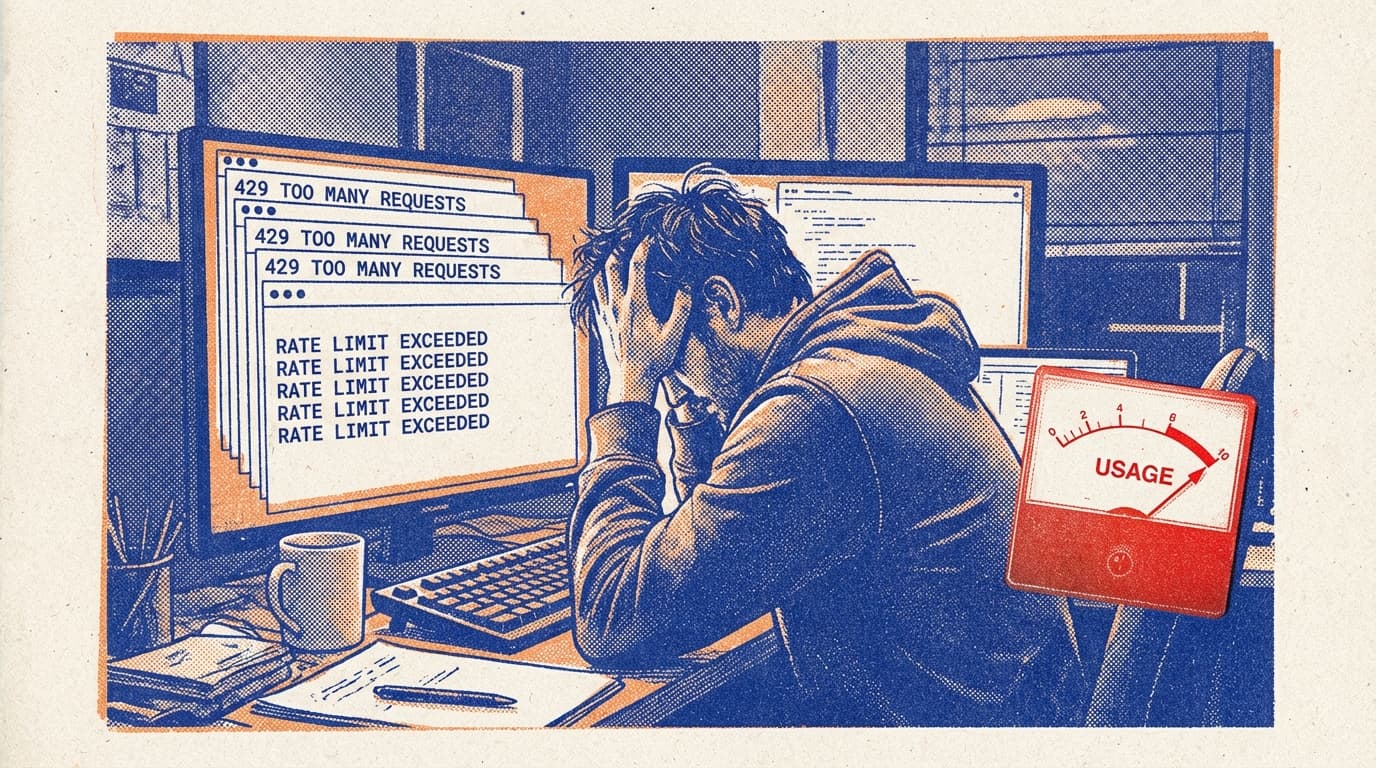

Claude usage limits have become the most divisive issue in AI tooling right now. Between a token drain bug that burned $200 plans in 19 minutes, peak-hour rationing, and zero published quotas, Anthropic's opacity is eroding the trust that made Claude the developer favorite. I think they are underestimating how fast goodwill evaporates.
The March 2026 Meltdown#
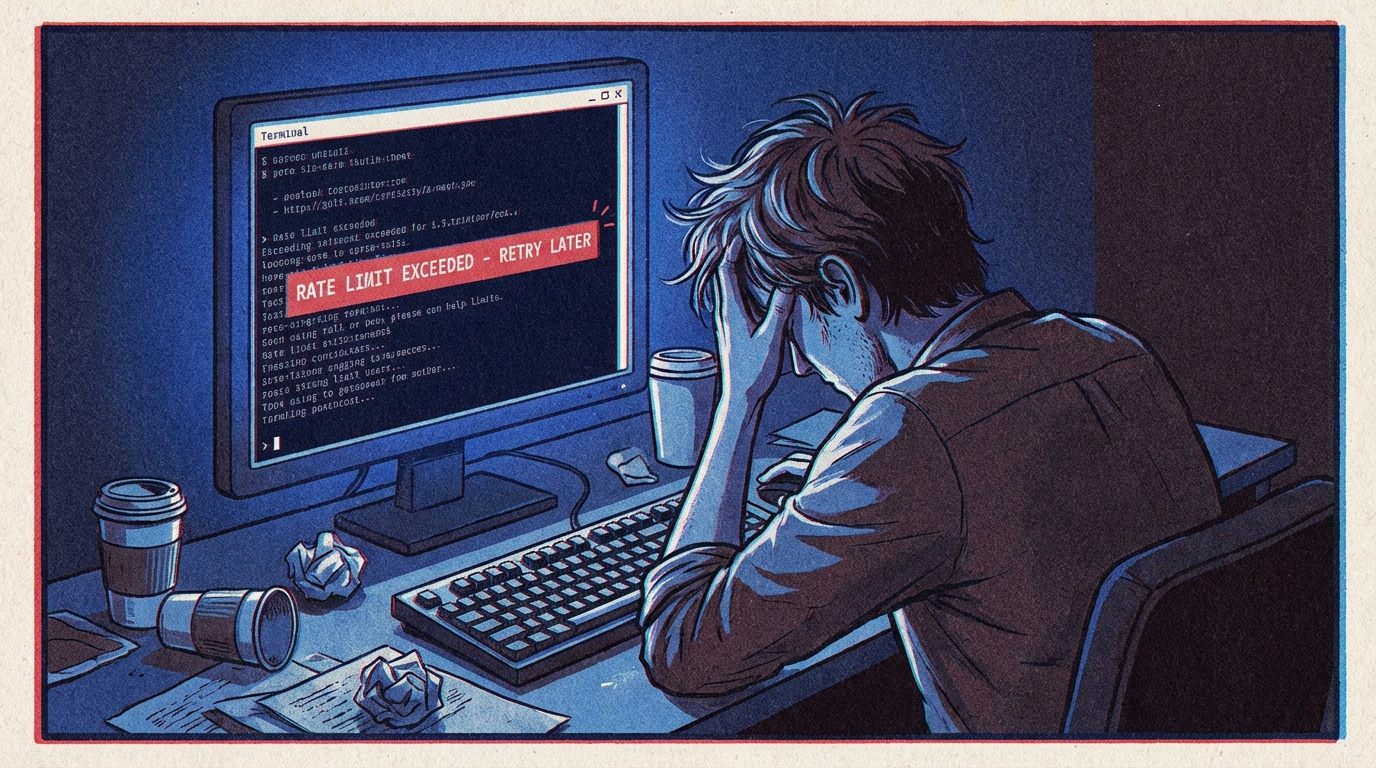
A prompt caching bug in Claude Code turned $200/month Max subscriptions into a money furnace. The bug involved a 5-minute TTL on prompt caching that silently re-sent entire conversation histories when the cache expired. Developers who paused to think, grabbed coffee, or just read their own code got punished with 10-20x cost inflation on every resumed session. One Max 20x subscriber watched their entire session quota drain in 19 minutes. That is not a typo. The GitHub issue thread pulled 330+ comments in 24 hours. The community fix was telling people to downgrade to CLI v2.1.34, which restored normal token consumption. Think about that. Users paying for the premium tier had to roll back the software to make it usable.
What $200/month Actually Buys You
Do the math. $200 divided by 12 usable days is $16.67/day. That is not a premium AI plan. That is a parking meter.
Peak-Hour Rationing Is the Quiet Part#
Anthropic confirmed they have been adjusting 5-hour session windows during peak hours. The affected window runs roughly 5am to 11am Pacific Time. Only about 7% of users get hit by this.
But that 7% is the wrong 7% to alienate. These are the power users writing tutorials, filing bug reports, and recommending Claude in Slack channels. They are the word-of-mouth engine.
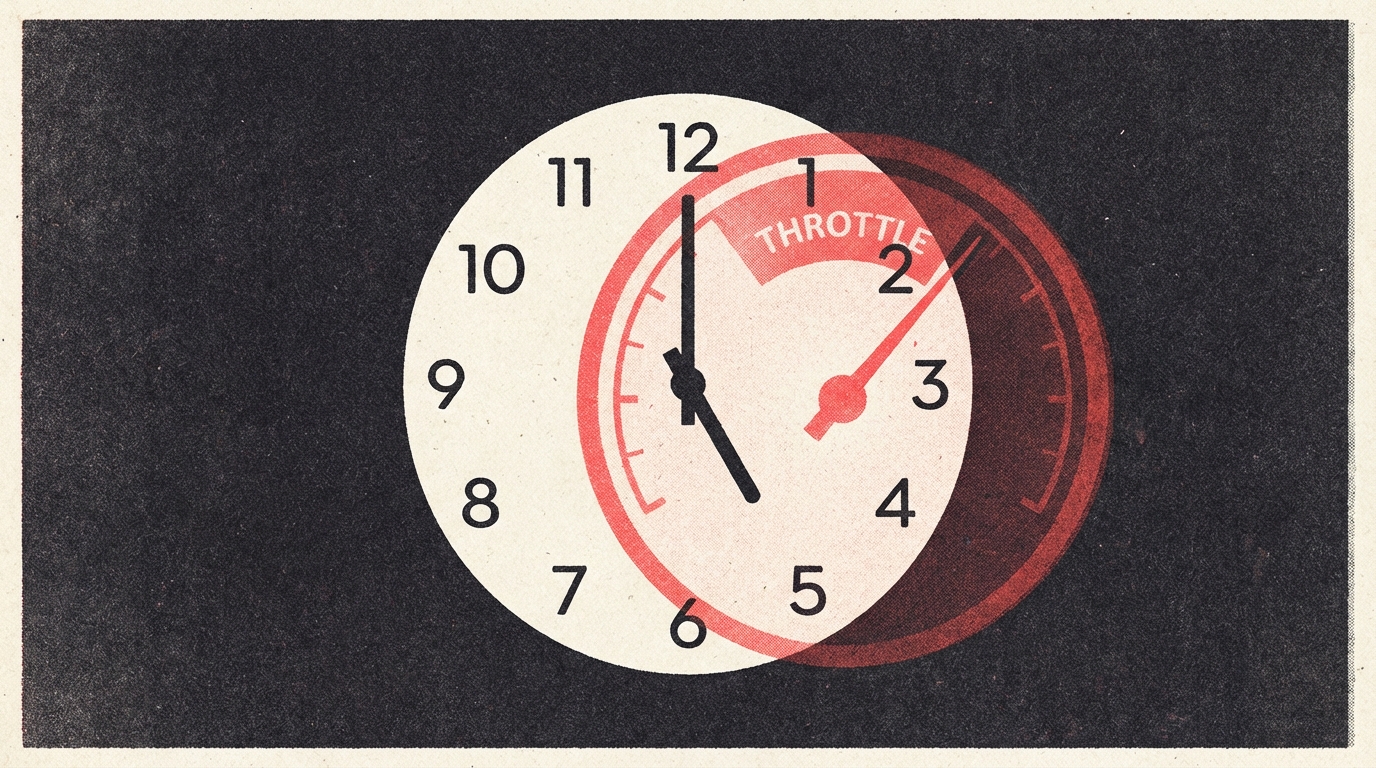 A quiet culture of off-peak arbitrage has emerged. Developers are shifting their schedules to avoid the throttle window, coding at midnight or batch-processing agentic tasks before dawn.
When your users restructure their sleep to avoid your rate limits, you have a product problem. Not a capacity problem.
The anchoring effect made things worse. Anthropic ran a 2x off-peak usage promotion from March 13-27. When it ended March 28, users felt like they were getting less than before.
They were not. But perception is the product. Showing people what is possible and then taking it away is worse than never offering it.
A quiet culture of off-peak arbitrage has emerged. Developers are shifting their schedules to avoid the throttle window, coding at midnight or batch-processing agentic tasks before dawn.
When your users restructure their sleep to avoid your rate limits, you have a product problem. Not a capacity problem.
The anchoring effect made things worse. Anthropic ran a 2x off-peak usage promotion from March 13-27. When it ended March 28, users felt like they were getting less than before.
They were not. But perception is the product. Showing people what is possible and then taking it away is worse than never offering it.
The Transparency Gap Nobody Talks About#
I compared how the three major providers communicate limits to paying customers:
- ChatGPT publishes message counts per model per tier. You know what you are buying.
- Gemini shows a credits system. You can see the meter running down.
- Claude shows nothing. No counter, no quota display, no published limits.
Transparency Scorecard Across Providers
The $20/month standard tier is identical across providers in price. The difference is that ChatGPT and Gemini tell you what you bought. Claude does not. The Claude usage limits opacity might seem like a minor UX complaint. It is not. For developers running agentic tasks, an unexpected rate limit mid-session kills the entire context chain. Tokens already spent become waste. The task has to restart from scratch.
Why Developers Are Actually Switching#
Nobody is leaving Claude because the limits exist. Every provider has limits. People are leaving because Claude usage limits come with zero visibility into what you actually get. The pattern I keep seeing on Reddit and in developer communities goes like this:
- Developer subscribes to Claude Max because the model quality is genuinely best-in-class
- They build an agentic workflow that relies on long sessions
- The 5-minute cache TTL or a peak-hour throttle blows up their session
- They discover there is no documentation explaining what happened or why
- They cancel and move to API-based workflows or ChatGPT Pro The model quality is not the problem. I still think Claude writes better code than GPT-5. Trust erosion is the real problem. When developers describe canceling Max subscriptions, the word "opacity" comes up over and over. Not "expensive," not "slow." This connects to a broader pattern I wrote about in technology moving faster than our ability to process it. The AI tooling market punishes opacity more than any other flaw because users have nowhere to anchor their expectations.
What Anthropic Should Do Tomorrow#
I am not asking Anthropic to remove limits. Capacity is finite. I am asking for three changes that cost almost nothing to implement:
- Publish the quotas. Put actual numbers on the pricing page. Messages per hour, tokens per session, whatever the unit is. Ambiguity breeds resentment.
- Add a meter. A simple progress bar showing remaining quota in the current window. ChatGPT has this. It is not novel engineering.
- Document caching. If a 5-minute TTL can cause 10-20x cost inflation on agentic workflows, that needs to be on page one of the Claude Code docs. Not buried in a GitHub issue.
TL;DR: Claude's usage limits are not the real problem. The real problem is that Anthropic charges premium prices while refusing to tell users what they are paying for. Fix the transparency and the limit complaints will drop by half overnight. The model is still the best in the business for coding tasks. But the best model behind a black-box billing system is a product developers will eventually abandon for something predictable. Anthropic has maybe two quarters to fix this before the Claude usage limits narrative becomes permanent. The clock is running.