
750 tokens a second does not make review faster
August 14, 2026

GPT-5.6 Ultrafast is a speed class. It is not a review class. 750 output tokens a second will fill the human queue harder, not empty it.
OpenAI shipped the tier on Aug 13 2026. GPT-5.6 Sol up to 14x via Cerebras, 750 output tokens per second, limited preview, API first. Changelog unless pinned to the review bottleneck.
A speed class is not a review class#

OpenAI's Ultrafast post says the quiet part in the first paragraph. A new service tier runs GPT-5.6 Sol up to 14x faster than Standard. Cerebras is underneath. Peak claim is 750 output tokens per second. Access is a select-group preview.
The API changelog is even thinner. One announcement sentence. No review metric. No merge-time promise. No "your PR queue just got shorter."
What they sold is more useful work per second. The use-case list is time-sensitive work, not a shorter merge queue.
- Incident response while the outage is still moving
- Voice that does not stall on a hard question
- Commerce before the cart dies
- Research that stops being an overnight batch
Jane Street's line is about sitting next to the model, not stamping the merge. Speed changes how a developer works alongside Sol. It does not change how long a teammate stares at the diff.
Independent clocks keep this honest. Artificial Analysis still measures GPT-5.6 Sol (max) around 64 tokens/s on OpenAI's public API. 750 against that baseline is roughly 12x. OpenAI's 14x implies a Standard nearer 54. Either way it is a new class, not a rounding error on Fast mode.
Fast mode already exists. OpenAI's Fast mode docs put it on a different rung of the same ladder.
- Fast mode is up to 2.5x Standard, generally available, twice the price
- Ultrafast is up to 14x Standard, Cerebras-backed, preview only
- Artificial Analysis still clocks public Sol (max) around 64 tokens a second
Not a toggle you flip on a Tuesday because the queue looks ugly.
If you read the launch as "review just got 14x cheaper," you read a sentence that is not there.
Fourteen times faster is a fill rate#
A 14x author is a 14x fill rate on a pipe that already swelled. Faros AI's 2026 Acceleration Whiplash tracked 22,000 developers across more than 4,000 teams. Inside the same companies, high AI adoption versus low.
Median time to first review is up 156.6%. Average time in review is up 199.6%. Median time in review is up 441.5%. Pull requests merged with no review at all, human or agent, are up 31.3%.
That last number is the ugly one. Under high AI adoption, unreviewed merges rose 31.3%, a sign the gate is under pressure. Faster Sol does not invent a new reviewer. It invents more diffs per sitting.
OpenAI even told on itself. The Ultrafast post says a common research loop used to be overnight experiments, morning read. With Ultrafast they see multiple iterations in a workday. Cool for the author. Mean for the person who inherits the pile at 4pm.
CircleCI's 2026 delivery report (28 million workflows) rhymes in a different unit. Median feature-branch throughput is up 15%. Median main-branch throughput is down 7%. Teams write more. They ship less of it. CircleCI's own line is that writing is no longer the constraint. Review, validation, integration, recovery.
You'll feel finished sooner. The queue will not.
This is Amdahl in work clothes. Speed the cheap step and the scarce step eats the gain. Code review is already the bottleneck on high-output teams. Ultrafast is more pressure on that same gate, not a new hinge.
The counter that almost works#

The honest pushback is not "review was always fine." The honest pushback is that decode speed is also review speed if the reviewer is a model.
Itamar Friedman at Qodo said GPT-5.6 was the strongest model they evaluated on agentic code-review tests. Versus GPT-5.5 it won on their PR scoring metric, used about 3x fewer tokens per PR, and delivered about 2x lower median latency. That is a real machine-review win. Ultrafast would make that first pass cheaper still.
Hacker News made the same shape from the other side. Quality is often extra passes. Tell the model to critique itself and the second draft is less sloppy. People skip that loop because it costs minutes. If it costs milliseconds, you do it. Fair.
Then the pile is still sitting on a person.
Faros 2026 is the receipt that this already happened. AI review tools exist. Some teams already run them. Median time in review still exploded. The senior-engineer tax is the phrase they used. AI diffs look idiomatic. The bug is under the polish. Catching that is slow cognitive work, and the people who can do it are the ones the queue now buries.
A bot pass that lands in 20 seconds instead of 90 is nice. It is not a merge. Same-model self-approval is how you get a green check on a story the author never read. The neighbor post already covered specialist reviewers and risk tiers. Steal that architecture. Do not pretend 750 tok/s replaced it.
You'll hit this the first week the preview lands. Sol finishes a fat sitting before lunch. The bot leaves a tidy comment. You still have to decide whether the auth flow is the one you wanted last quarter. That decision did not get 14x cheaper.
Pin the changelog or throw it out#
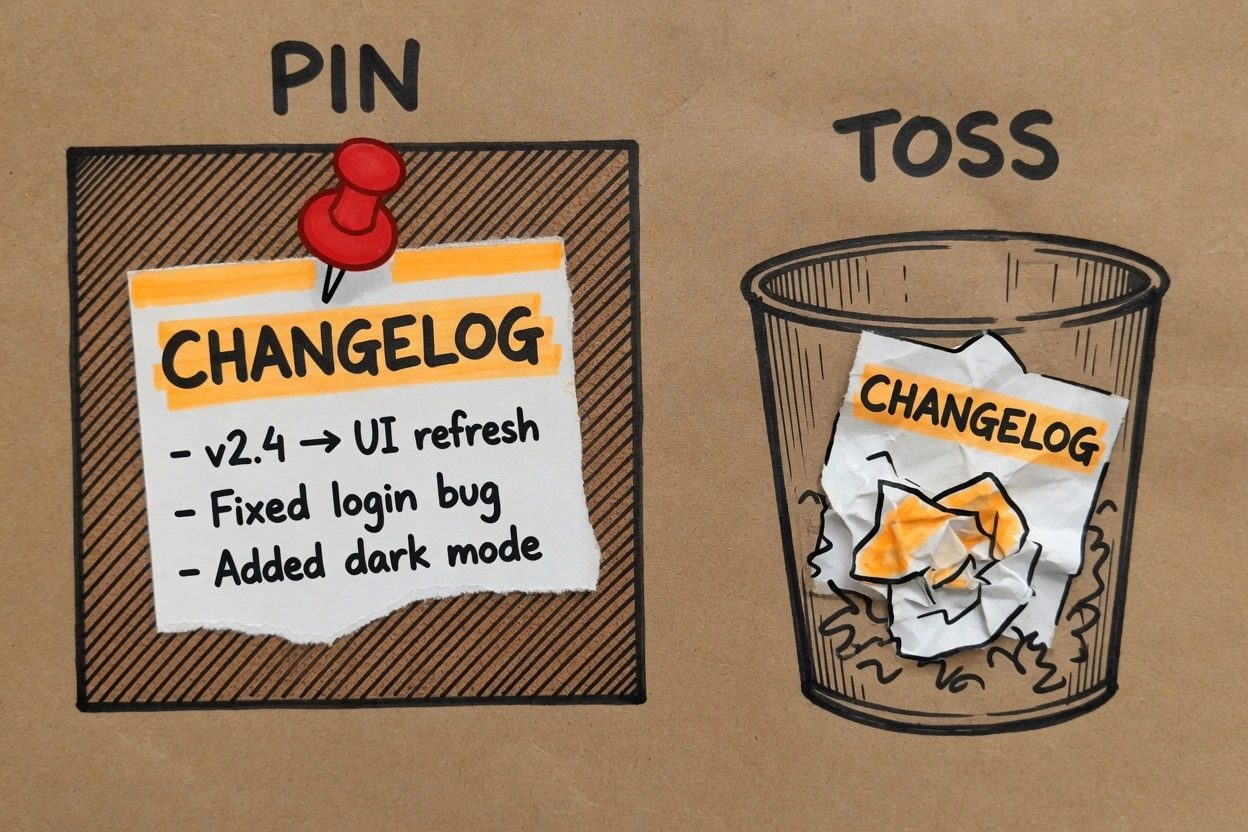
Treat Ultrafast as more author capacity. Budget the review lane the same day you ask for the preview. If the team already drowns at Standard Sol, 14x is not a gift. It is a firehose.
If you run parallel agent sittings, the scarce skill is still the review budget across sessions. Faster Sol makes a sloppy budget miss before the standup ends.
What would change the bet is simple. Generation goes up and review latency plus change-failure both fall without triage. Until that shows up in telemetry, the changelog is capacity, not clearance.
Holding this costs the fun part of the demo. The sitting feels done. The merge is not. Some PRs that look finished at 750 tok/s still bounce. Seniors spend more time on intent and less time watching tokens paint.
750 tok/s is a fill rate. The human gate is still 1x. Pin the launch to that, or leave it in the changelog where it started.
Ultrafast questions people actually asked
Is Ultrafast the same thing as Sol Ultra?
No. Sol Ultra is the multi-agent reasoning setting from the July 9 GPT-5.6 launch. Ultrafast is the Aug 13 inference tier that runs Sol at up to 750 output tokens per second. Mixing the two is how people burn a quota and think they bought review speed.
asked on reddit.com ↗Can any API customer turn Ultrafast on today?
No. The Aug 13 changelog and the announcement both say limited preview for a select group. Sign-up is a waitlist, not a toggle. Fast mode is the generally available speed bump, and that one is 2.5× Standard, not 14×.
asked on community.openai.com ↗If Sol reviews PRs faster, doesn't the queue shrink?
The bot pass can shrink. Qodo measured Sol at about 2× lower median latency on agentic PR review versus GPT-5.5. Human merge time is the other clock. Faros 2026 still saw median time in review up 441.5% after those tools existed.
asked on news.ycombinator.com ↗Is 750 tokens a second the same model, or a smaller one?
OpenAI's claim is full GPT-5.6 Sol, not a distilled flash variant. Cerebras is the hardware under the tier. Independent clocks of the public Standard API still sit around 64 tokens a second, which is why 750 reads as a new class rather than a Fast-mode tweak.
asked on openai.com ↗