

Freelance Client Satisfaction: Get Rehired Every Time
April 3, 2026
Freelance client satisfaction comes down to three things: written scope before work starts, weekly updates even when you have nothing to show, and delivering slightly more than you promised. Most freelancers lose repeat business not because their work is bad, but because their client communication is. Get these right and clients rehire you without you asking.
Why Most Freelancers Lose Clients (It's Not the Work)#
I've lost clients before. Not because the code was bad or the design was off. The project just ended and neither of us said anything.
That silence is the real killer. Your client assumes you moved on, and you assume they'll reach out when they need something. Six months later, they hired someone else.

The three reasons clients don't come back:
- Unclear scope that led to mismatched expectations, even if you delivered exactly what was discussed verbally
- Radio silence between milestones, which clients interpret as disinterest
- No transition conversation after the project wraps, so the relationship just evaporates
What Clients Actually Say When They Don't Come Back
Write the Scope Before You Write a Line of Code#
Verbal agreements feel fine in the moment. They become problems when expectations diverge.
The majority of scope creep in freelance projects comes from clients who genuinely don't know how to define their requirements. That's not malice, it's inexperience. Your job is to translate their fuzzy vision into specific deliverables before you start.
A real scope document covers:
- Exact deliverables (not "design work" but "3 homepage concepts, 2 rounds of revisions")
- What's explicitly out of scope
- Revision limits with a per-revision rate after the limit
- Timeline with milestones, not just a final deadline
- How and when you'll communicate
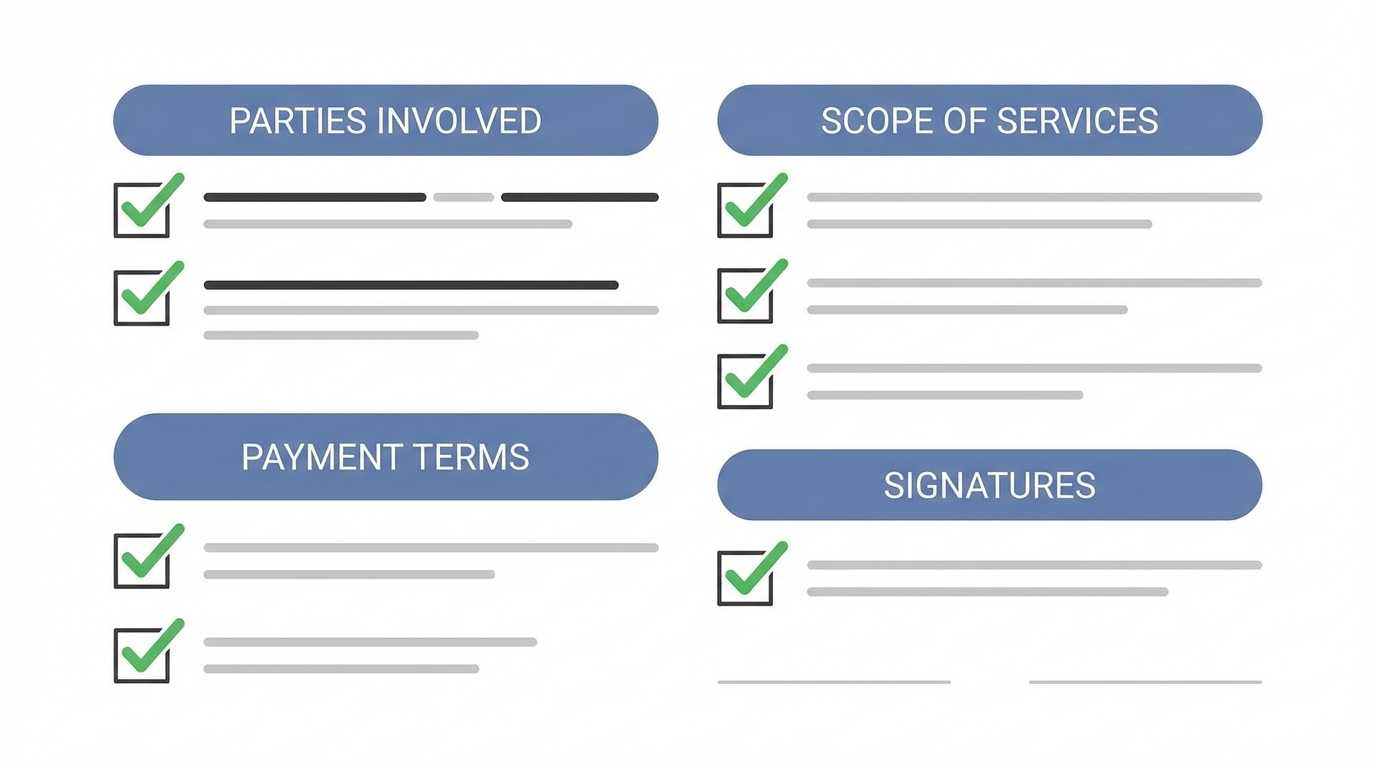
Frame this as protecting the client, not yourself. "I want to make sure we're aligned so you get exactly what you're expecting" works better than "I need this so you don't ask for free work." Managing client expectations is easier when both sides see the scope document as a shared tool.
The Weekly Update That Does More Than Your Deliverable#
A 20-to-30 minute kickoff call saves hours of backtracking. But the kickoff is just the start.
Set a weekly update cadence. Every Monday (or whatever day you pick), send a short email. Two sentences is enough:
TL;DR: Send a weekly update email even when you have nothing to show. "Still working on the API integration. Hit a snag with the auth flow but expect to have it resolved by Wednesday." That's it. That's the whole email.
This does three things for freelance client satisfaction:
- The client stops feeling the urge to check in on you
- It builds a paper trail of progress they can reference
- You signal that their project stays on your mind, even during quiet weeks
I started doing this two years ago and my repeat project rate doubled. Not because my work improved. Because clients felt informed.
Under-Promise, Then Quietly Over-Deliver#
"I'll have this done by Friday" when you know you can finish by Wednesday. Deliver on Wednesday. The client feels like you're fast without you actually rushing.
This isn't about sandbagging timelines. Every freelancer knows that "simple" tasks have hidden complexity. Give yourself room for the unexpected.
Small over-deliveries that cost you almost nothing:
- Include a brief README or setup guide they didn't ask for
- Flag something you noticed outside your scope ("your SSL cert expires next month")
- Multiple file formats, delivered without being asked
- A short handoff document explaining why you made key decisions
The data backs this up. 75% of satisfied customers recommend services to others. And increasing retention by just 5% raises profits 25 to 95 percent.
Profit Impact of Client Retention
Freelance client retention is the highest-ROI activity in your business. Finding new clients costs five to seven times more than keeping existing ones.
Turn One Project Into a Retainer#
The project is done. The client is happy. This is the moment most freelancers waste.
Before you send the final deliverable, prepare a short list of ongoing needs you spotted during the project. Maybe their site needs monthly maintenance, or the codebase needs regular dependency updates. Maybe they mentioned a "phase 2" they haven't scoped yet.
If you've been looking for web developer jobs, retainers are the answer to income stability. One retainer client paying $2,000/month is worth more than chasing four new $2,000 projects.
The transition conversation sounds like this: "Now that the project is wrapping up, I noticed a few things that could use ongoing attention. Want me to put together a monthly maintenance proposal?" No pressure, just an offer.
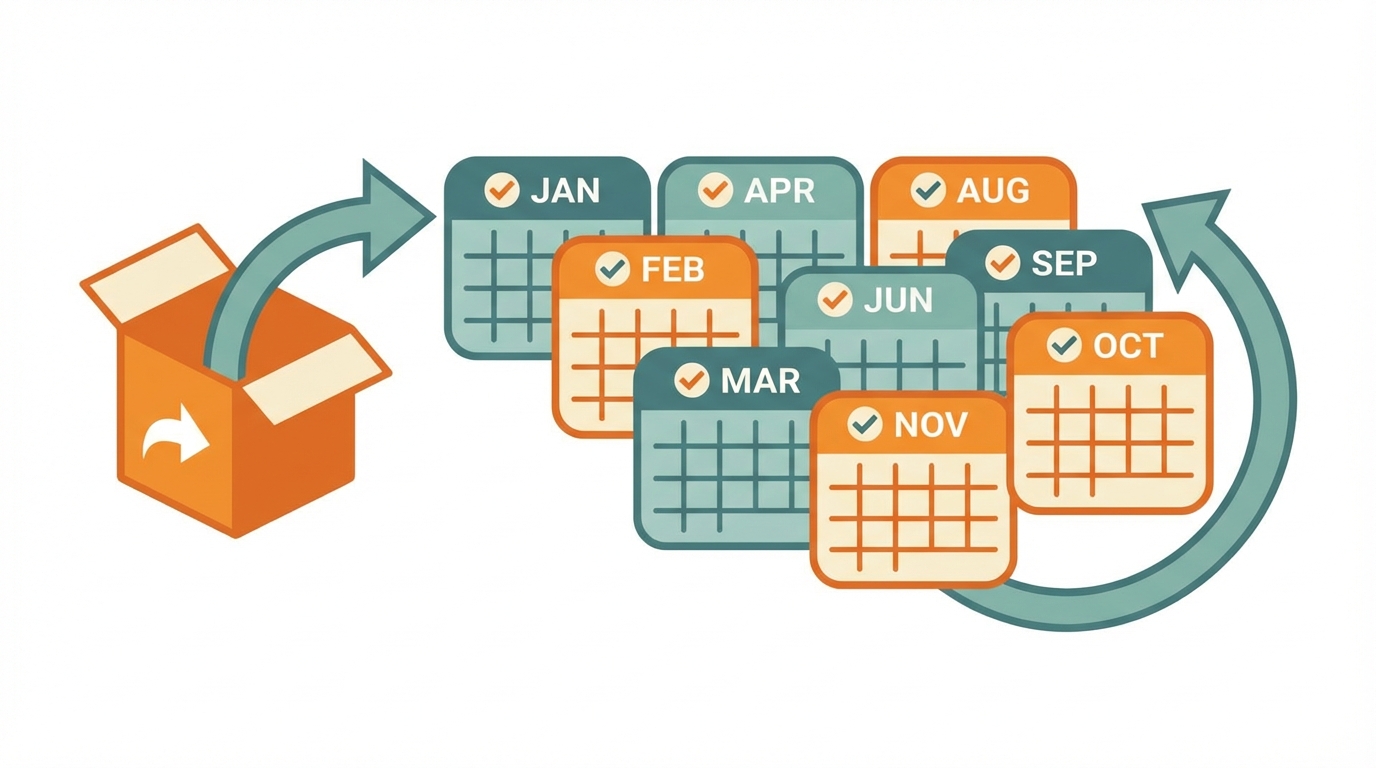
The 5-Minute Post-Project Move Nobody Does#
Two weeks after delivery, send a follow-up email. Not a sales pitch. A genuine check-in.
"Hey [name], wanted to see how everything is working out with [project]. Any issues or questions I can help with?"
This does two things. First, it catches problems early before they become resentment. Second, it reminds the client you exist right when they might be thinking about their next project.
If things went well, add one line: "If you know anyone who needs similar work, I'd appreciate the introduction." That's your referral engine. 75% of satisfied customers refer others when asked directly.
The entire freelance client satisfaction playbook fits in a single sentence: communicate more than you think is necessary, deliver more than you promised, and follow up when everyone else forgets to.