
Auto mode is the default because you already approved everything
August 14, 2026

Auto mode becomes the default for new Pro, Max, and Team sessions this week because you already approved everything. The permission dialog was not a safety layer. It was a habit.
New sessions on Pro, Max, and Team flip on 14 August 2026. Enterprise stays opt-in for now. The interesting sentence is not the date.
Anthropic published the reason in the same post. Users approve 97% of permission prompts. Plans get rejected 39% of the time. The yes key on tool calls is basically stuck.
The 97 percent is the announcement#
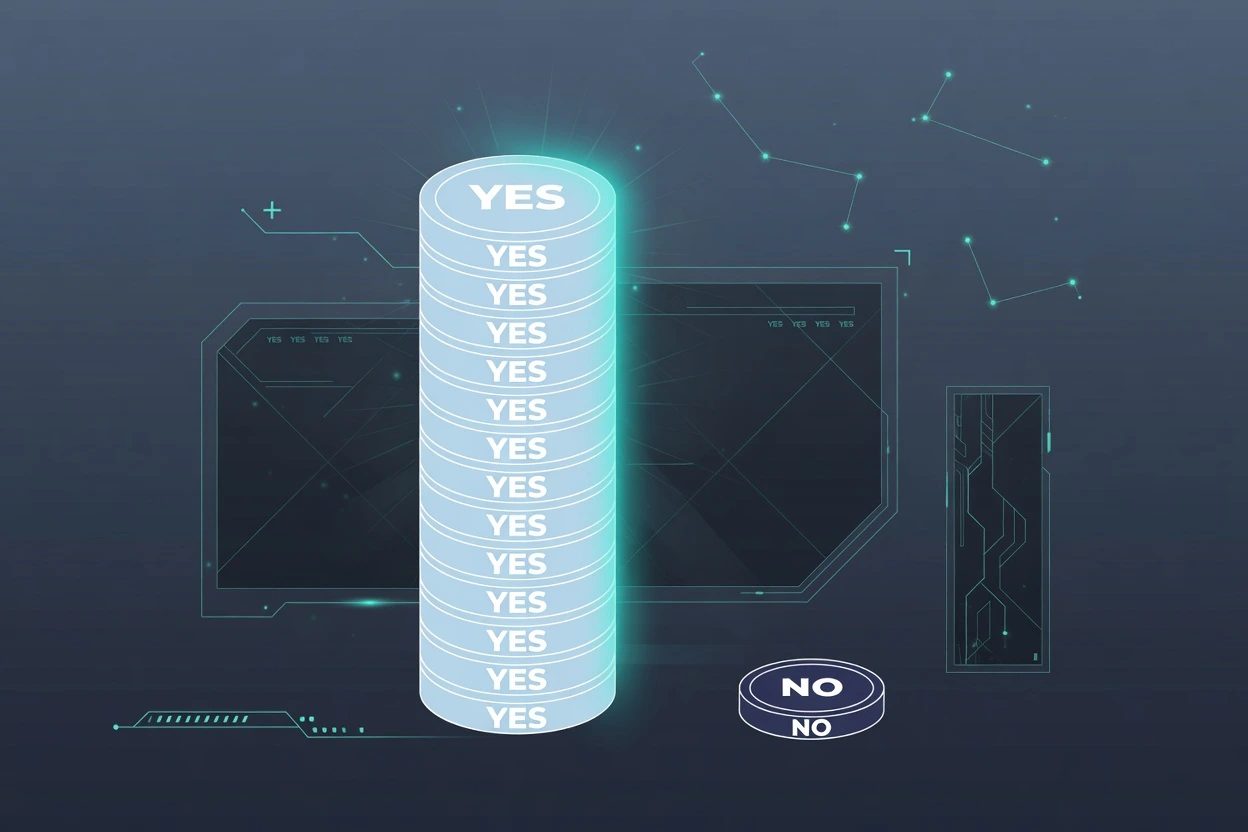
Anthropic's August 7 announcement does not hide the diagnosis. An approval rate that high, it says, suggests many users are clicking through reflexively rather than reviewing each command. The week 32 digest is the public docs restatement of the default flip.
That is the vendor calling the dialog theater. Not a blogger. Not a screenshot of a tired session. The company that built the prompt.
Auto mode routes each tool call through a classifier aimed at irreversible, destructive, or out-of-environment actions. Three blocks in a row, or twenty in a session, fall back to manual. Classifier tokens on Pro, Max, and Team are no longer billed.
You'll feel faster. That is the point. The question is what replaced the click you were not reading.
The dialog was already optional#
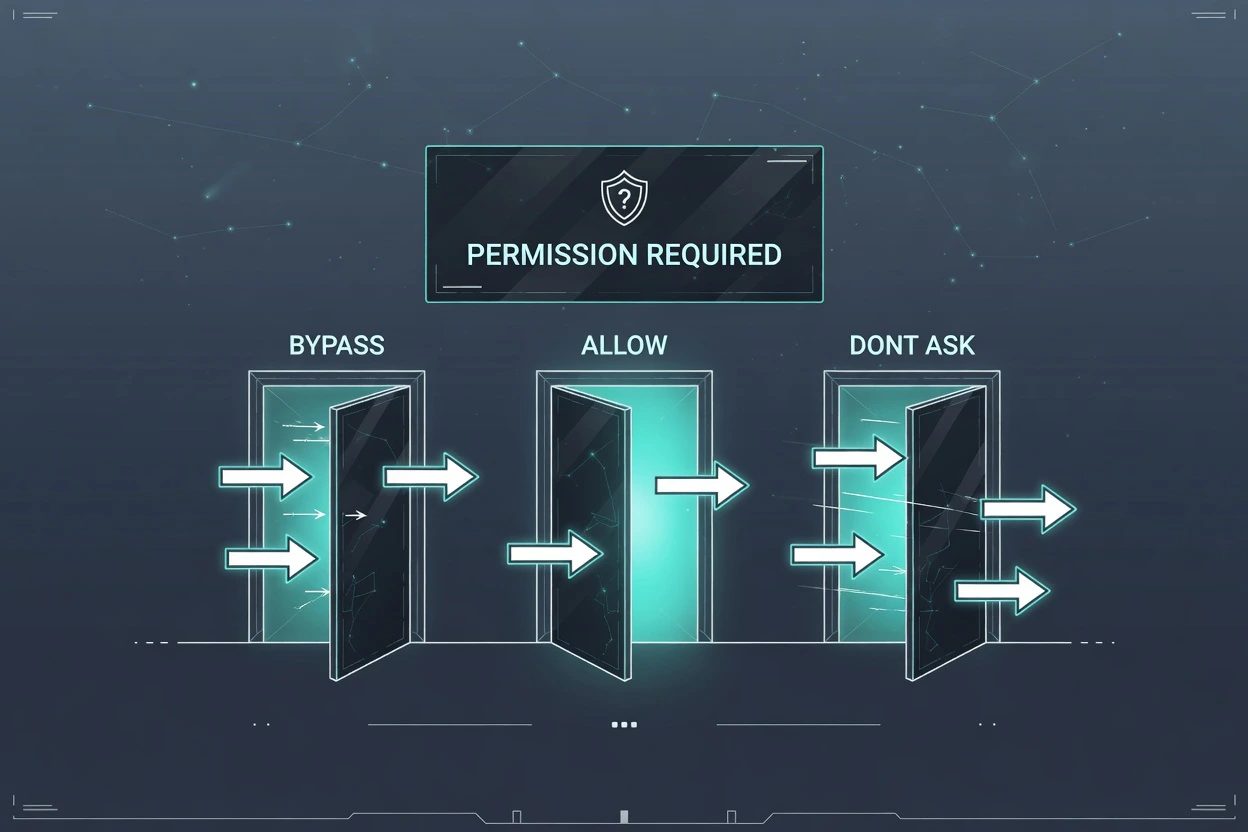
As of June 2026 the allow-list was already eating the prompt.
- 49.5% of active CLI users had written a Bash allow-rule
- 5% allowed any shell command outright
- 43% used interpreter wildcards, which can give similarly broad execution power
- 62% had used
bypassPermissionsor clicked don't-ask-again on Bash - 25% of interactive sessions start in bypass
The prompt was not the default safety story. Skipping it was.
Gusto's quote on that same page is the practitioner version. They adopted auto mode to end the permission fatigue that was pushing engineers toward bypassing the checks entirely. The old control was training people to turn it off.
The same week, Claude Code 2.1.223 fixed permission prompts so tab padding and invisible Unicode could no longer hide part of a command. A dialog you approve 97% of the time, that can also lie about the command, is not a control. It is a popup.
This is not a new grant of unprompted shell access. Twenty-five percent of interactive sessions already start in bypass permissions mode. Auto mode is the company picking a classifier over a yes button people had already stopped using.
Safer than a tired yes is not the same as safe#
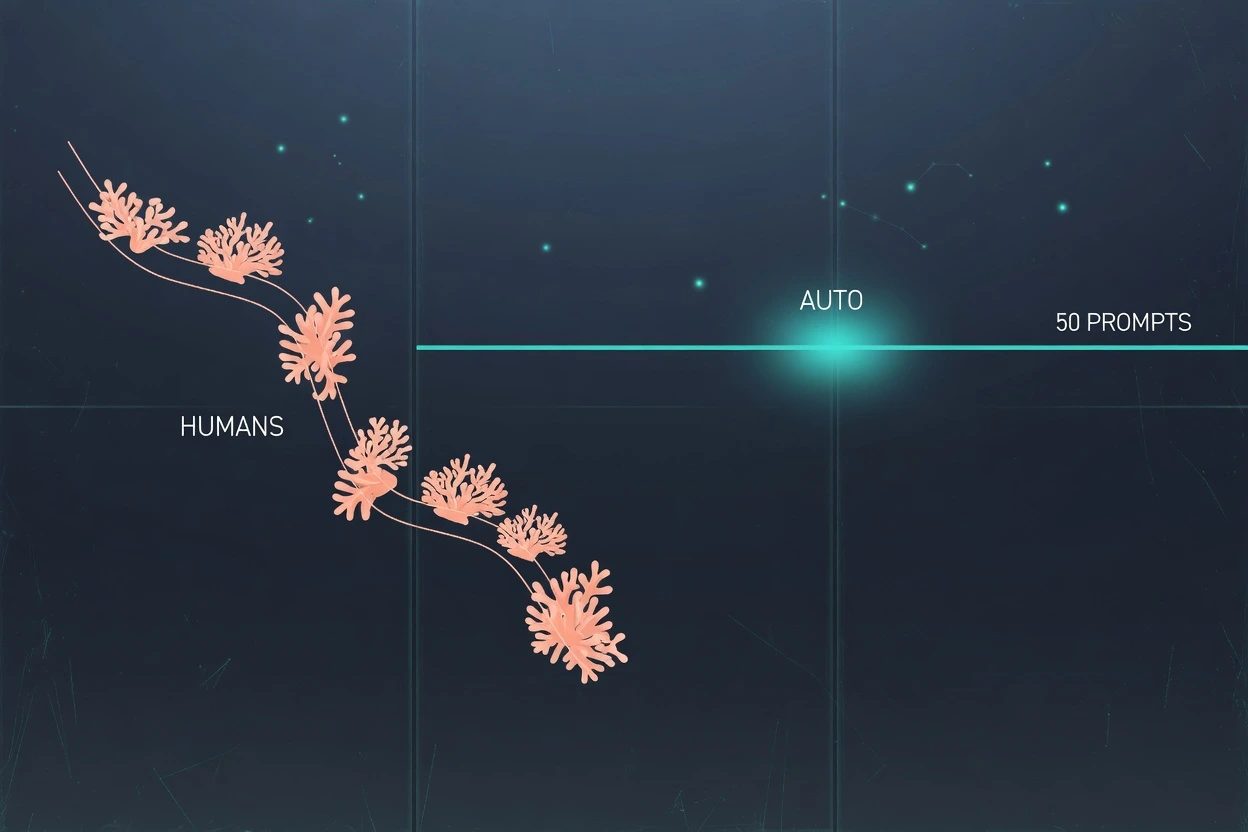
Take the steel-man. In a hired study of 1,053 testers, one prompt was swapped for a clearly dangerous command. Humans caught it 13.6% of the time. Auto mode caught 89% of the same prompts.
Humans got worse as the session got longer. About 17% early. About 5% after 50 prompts. Auto mode stayed flat. Head to head, the classifier blocked 800 commands a human approved. Humans blocked 6 the classifier allowed.
The study is a swapped prompt in a test harness. Approving it never ran anything dangerous. It still measures what the yes key does under load. Pretty much nothing, once you are 50 popups in.
Safer than a tired yes is a low bar and a real one. It does not make the remaining 11% disappear. Those are the actions permissions.deny is for. Production infra still wants a human on the actual command, which the same post still says.
Put deny and ask in front, not nostalgia#
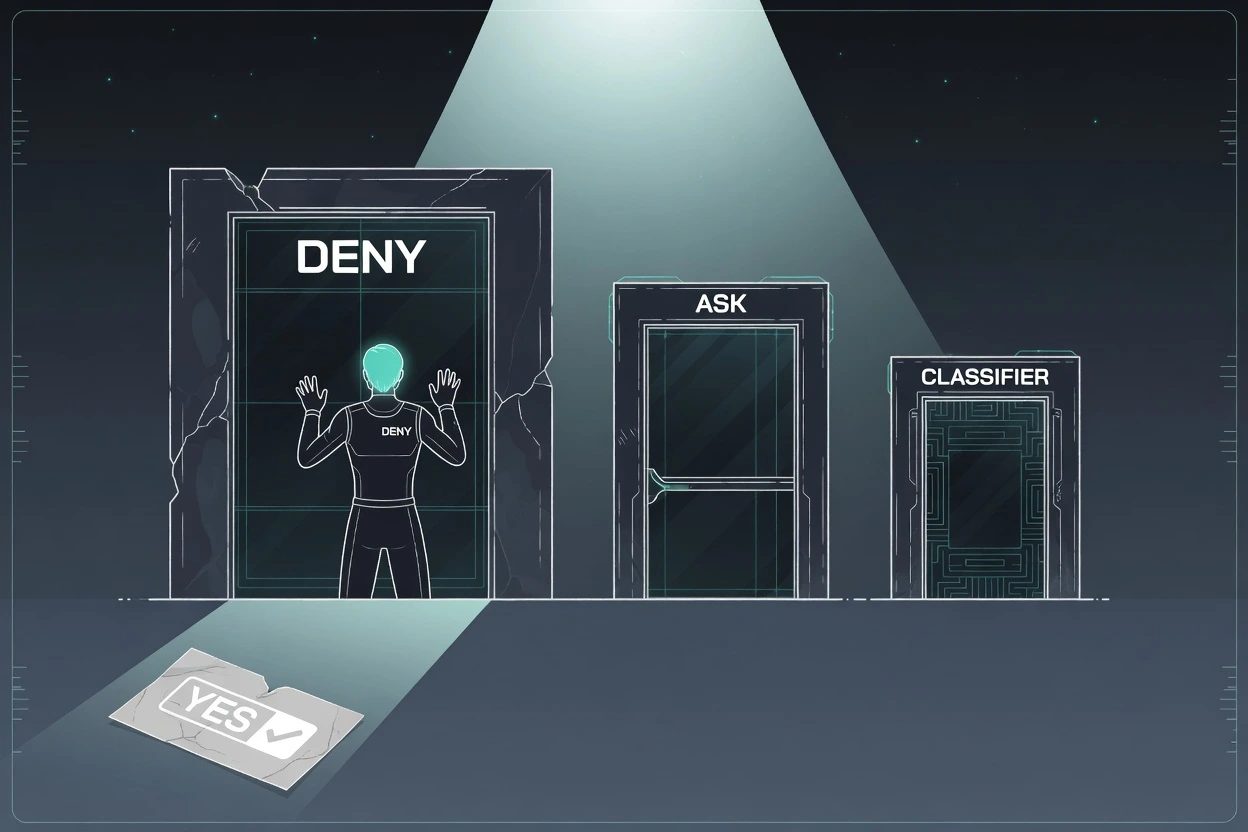
The config docs give the order. Deny and explicit ask rules evaluate before the classifier. A deny cannot be overridden by the classifier or by user intent. An ask always prompts, even in auto mode.
autoMode.environment tells the classifier what trusted means. Default trust is the working directory and the current repo remotes. A push to some other org looks like exfil until you name the org.
A reminder typed in chat is not a rule. The docs say conversation bounds can vanish at compaction. Durable means a settings file.
{
  "permissions": {
    "deny": [
      "Bash(terraform apply *)",
      "Bash(rm -rf *)"
    ],
    "ask": [
      "Bash(git push *)",
      "Bash(gh pr create *)"
    ]
  }
}
That block is the whole job.
- Deny the things that must never run
- Ask for the things that still need a checkpoint
- Name trusted infra so the classifier stops blocking routine pushes to your own org
Hooks sit beside that. PreToolUse can deny a call. PermissionDenied fires when auto mode blocks something. Use a hook when the rule is custom. Use deny when the rule is never.
Code review stays the bottleneck after the write. The dialog before the write is no longer where that work happens. Shift+Tab still exists if you want the popup back. Wanting it back is nostalgia for a control you already clicked through.
Auto mode default questions
Can a Team or Pro user keep manual mode?
Yes. Shift+Tab still cycles modes. A default you already set stays unless you accept the one-time switch prompt. An org-managed default is unchanged. Admins can pin defaultMode or set disableAutoMode.
asked on code.claude.com ↗Does Enterprise get the new default this week?
No. Auto mode stays opt-in on Enterprise, the API, Bedrock, Vertex, and Foundry for now. Anthropic says it plans to default those in the coming month and will notify Enterprise admins first.
asked on claude.com ↗Do deny rules still fire in auto mode?
Yes. Deny and explicit ask rules evaluate before the classifier. A deny cannot be overridden by the classifier or by user intent. Conversation-stated bounds can vanish at compaction. Durable means a rule, not a reminder in chat.
asked on code.claude.com ↗The thing that would change this take is a world where people actually read the prompts. A 40% reject rate on tool calls would do it. Until then the default is just the company agreeing with the 97%.