
Enterprise can now pull Claude Code transcripts off the laptop
August 14, 2026

Claude Code transcripts that ran on a company laptop are now something Enterprise can pull. The jsonl files under ~/.claude were never the compliance boundary.
On August 11 the Claude Platform release notes added local Cowork and Claude Code sessions to the Compliance API, in beta for Enterprise. Same existing Compliance Access Key. Same read:compliance_user_data scope. No new client.
Aug 11 2026. Compliance API beta returns local Cowork and Claude Code session transcripts. GET sessions/local and messages. Local was a story companies told themselves.
The laptop copy was never the only copy#
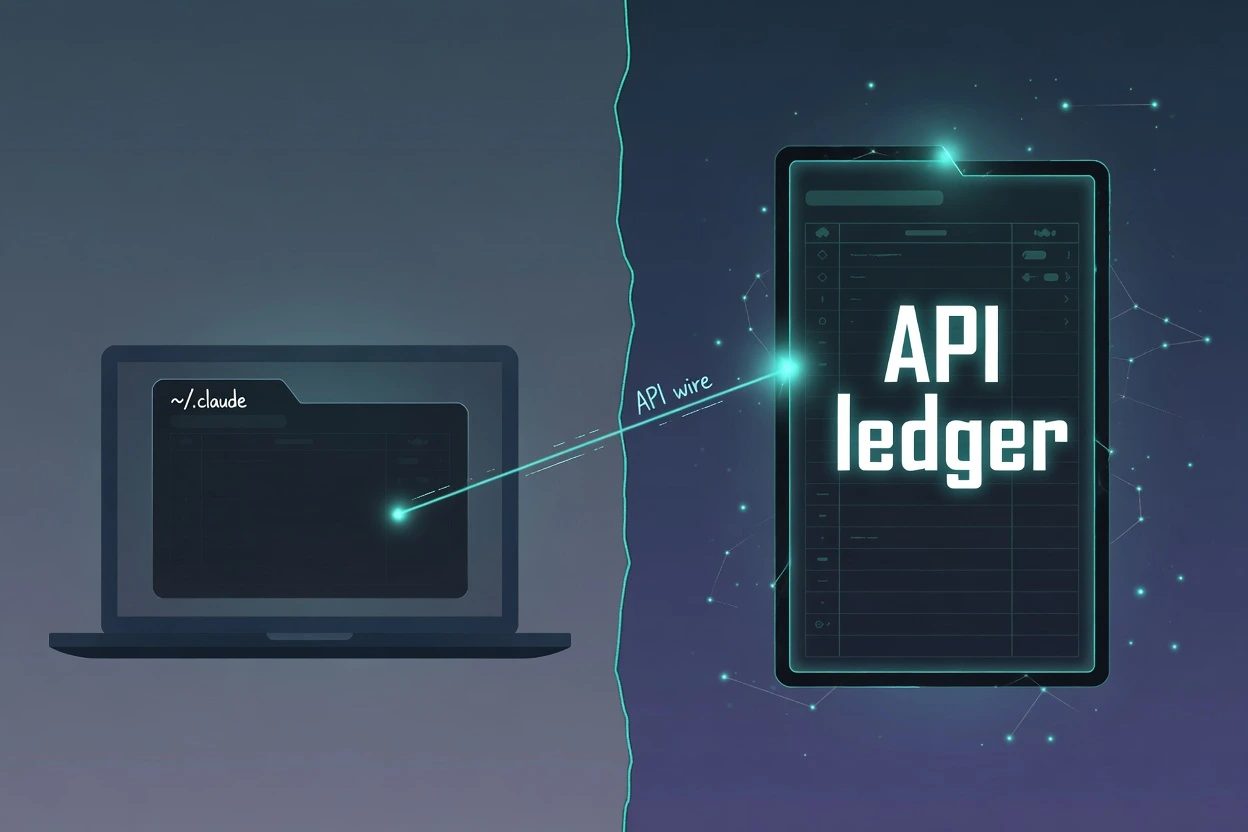
Claude Code still writes the session to disk. Claude Code's data usage docs say clients store transcripts locally in plaintext under ~/.claude/projects/ for 30 days so you can resume. The sessions page says those files save continuously as you work.
The .claude directory docs are blunter. These files are plaintext. Anything that passes through a tool lands in a transcript on disk, file contents, command output, pasted text. Transcripts are not encrypted at rest. OS file permissions are the only protection.
That folder is a wallet receipt. Useful. Incomplete. The bank already has the ledger.
Cowork help still tells the folder story in one breath and walks it back in the next. The Team and Enterprise Cowork article says local conversation history cannot be centrally managed or exported by admins. Then it says Claude Enterprise admins can retrieve this session content in beta through the Compliance API.
The session transcript docs settle the mechanism. For local sessions, Anthropic records each conversation server-side as its requests reach the Claude API. Nothing is installed on the device. Nothing is collected beyond the requests the client already sends.
Local session transcripts show what Claude was asked to do and what it returned, not what happened on the device. A file the session never sent is invisible. A prompt that did go out is already in the ledger, whether or not anyone ever opened ~/.claude.
You signed people in with the Enterprise seat because that is how SSO and billing work. The transcript follows the seat. The laptop is just where the client ran.
What the Compliance API actually hands back#
Three GETs, all under /v1/compliance/apps/sessions/local. IDs come back with a clls_ prefix. Messages use clsm_.
- List sessions across the org
- Fetch one session's metadata
- Fetch that session's messages
The list is newest first. Time bounds only. No user filter, which is annoying if you wanted one person and instead get the whole tenant. Default page is 100, max 500. Walk next_page until it is null.
product_surface is cowork for Cowork in Claude Desktop, claude_code for Claude Code in the terminal, Desktop, or an IDE. A session is one client conversation. /clear or a new chat starts a new record. There is no status and no updated_at. Local sessions have no server-side lifecycle. Visibility is retention.
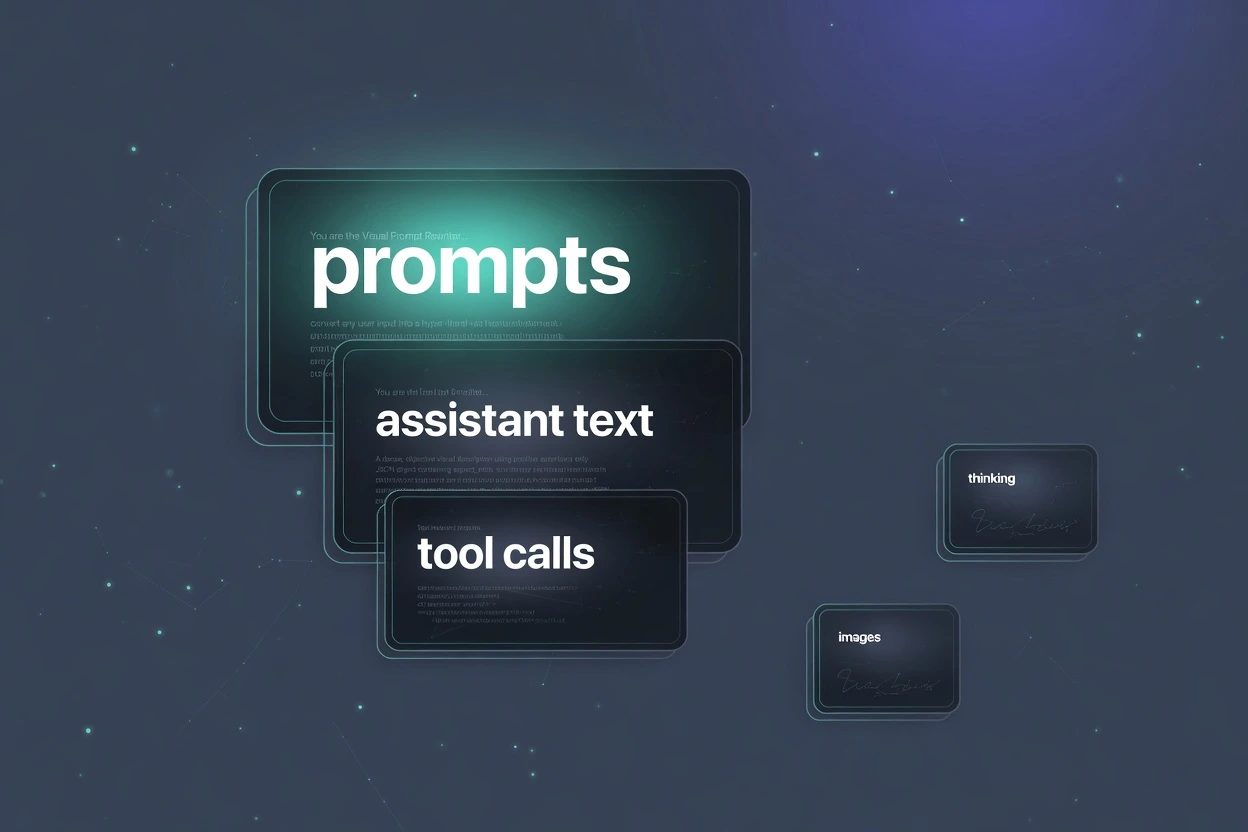
The messages endpoint is the part people will actually pipe into a SIEM. User prompts. Assistant text. Tool calls. The text of tool results. File names inside those calls. File text Claude read through a tool. CLAUDE.md shows up as ordinary user-role content. Skills show up when the client sent them as message content.
Thinking blocks are gone. The system prompt is replaced by a marker that says it is not shown. Tool definitions and MCP config are out. Images and PDFs come back as a placeholder. Token counts and cost live in OpenTelemetry, not here.
Nothing masks URLs, credentials, or personal data. If a tool read a .env, that value can sit in the transcript with no redaction. Treat the export like production logs, not like a sanitized audit PDF.
Tool inputs and tool results default to a 10,000 byte cap. Pass -1 and you get about a mebibyte. A fat Read of a 40k file comes back with a haircut, and a truncated tool input is no longer valid JSON. The docs sample is a Read of tests/auth_test.py. That is the grain. Not a vibe. Not a summary card.
Admin API keys bounce with 403. Regular Claude API keys do not authenticate /v1/compliance/*. The primary owner turns the Compliance API on in claude.ai. Enablement cascades to linked orgs. Team is not on these endpoints.
The holes people will hide in are real#
The steel-man is that plenty of Claude Code still never lands in GET sessions/local. If the whole post stopped at "Enterprise can see everything now," that would be the new lie.
Claude Code on the web runs in Anthropic's cloud and is still not a remote session. Remote, as of August 3, is Cowork on web and mobile only. These surfaces stay dark.
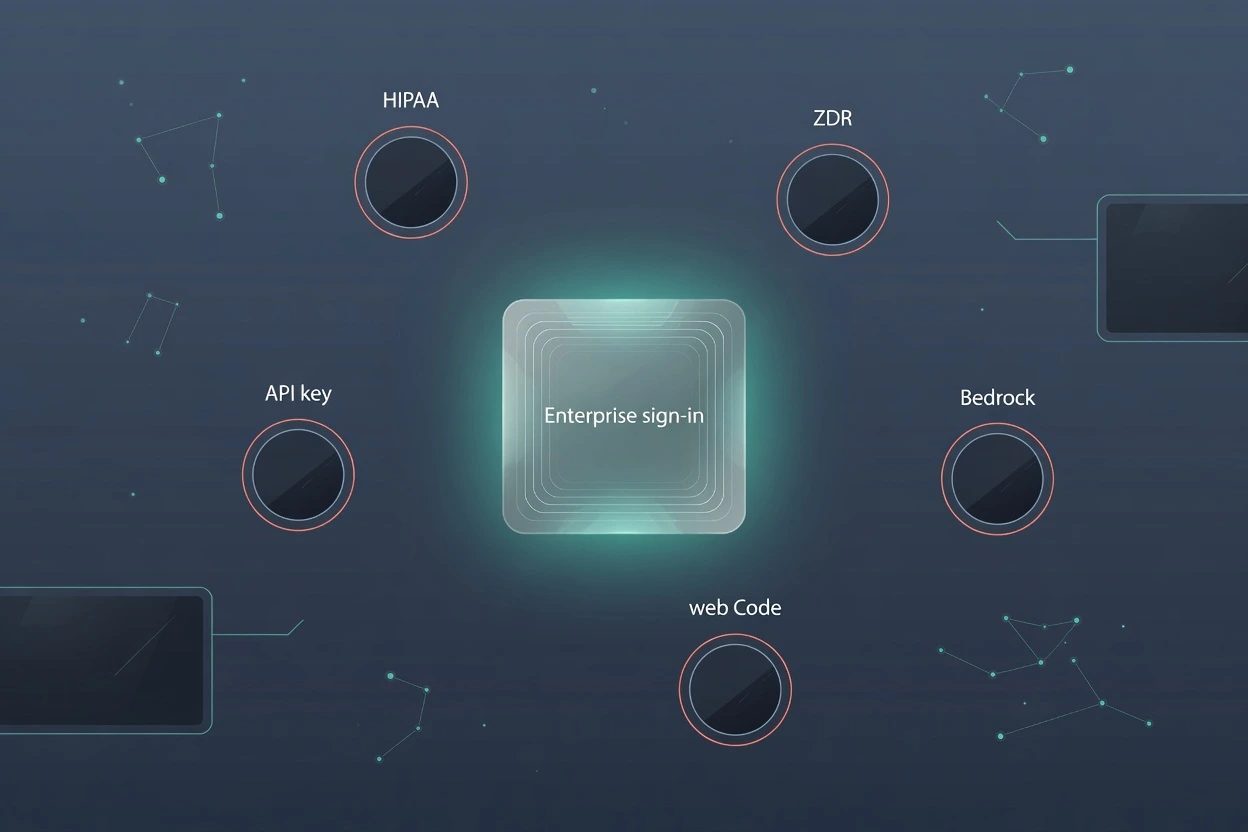
- Claude Code signed in with a Claude Console API key
- Sessions through Amazon Bedrock, Google Cloud, or Microsoft Foundry
- HIPAA-readiness orgs, which capture no local session data
- Zero data retention sessions, which 404 on retrieve
- Customer-managed keys, which list the session and hide the transcript
HIPAA-readiness orgs get no local session data at all. Zero data retention sessions are dropped from the list, and retrieve or messages returns 404. Customer-managed keys list the session and then mark the transcript content unavailable.
On-device work that never reached the API is invisible. Offline tinkering, a local file the session never sent, a shell the model never saw. The laptop folder can still hold more than the admin export. That is the leftover truth inside the myth.
A 404 that says Local sessions are not available. is the parent org missing the beta, not a missing file. It comes back on the list too. Do not page-alert on that string the way you would on a vanished clls_ id.
In April a YSK thread on r/ClaudeAI already treated claude.ai chat history as admin-visible. Claude Code was the leftover blind spot. In July a thread on r/ClaudeCode asked whether a company admin could see prompts from a personal GitHub repo. Two hundred and forty-one comments. One person wondered out loud because the conversations are saved locally. A self-described Business-plan admin said you cannot see what someone was using Claude Code for.
That answer is still right on Team and on an API key. It is wrong on an Enterprise sign-in after August 11. The seat is what binds the transcript, not the folder name on disk.
Six years is the new clock#
The device cache is still about 30 days, swept by cleanupPeriodDays. The Compliance API store is 6 years by default, or the org's custom conversation retention when a finite one is set. Shortening that setting hides older activity immediately. Lengthening it does not restore what already expired.
You cannot delete a local or remote session through the API. The chat endpoints have a delete scope. Sessions do not. created_at is the earliest retained call and can slide forward as old turns age out. Deduplicate on id. Re-list a trailing window or you will miss new messages on a long session, because there is no updated_at to bump it back into a later time filter.
Commercial Claude Code retention at Anthropic is still quoted as 30 days in the data usage docs. Do not let that number cancel the session-endpoint clock. Those are two stores. Two policies. Two owners.
This pairs with the watermark fight without replacing it. The watermark is about generated text that lands in git. This is the other receipt, the session itself, now sitting in a ledger the primary owner can query with a key they already had.
The position costs something. HIPAA and ZDR stay dark on purpose. An API-key fleet stays dark unless you already built your own proxy. Once the Compliance API is on, everyone who signed into Claude Code with the Enterprise account is on the 6-year clock, including the side project they thought lived only in a home directory. Sessions from before capture can still appear in the list with the transcript marked unavailable.
Change your mind if Anthropic starts scraping the jsonl files off disk, or if they add a user-facing banner that the local session is being retained for compliance. Until then, treat "it lives on the laptop" as a resume feature. Not a privacy model.
Questions people actually asked
Can a company admin see Claude Code prompts from a personal repo?
If the session was signed in with a Claude Enterprise account, yes. The Compliance API lists that session under the user id and returns the prompts, assistant text, and tool results that reached the Claude API. The personal GitHub remote is not in the payload unless a tool call mentioned it. The seat is what binds the transcript, not the folder name.
asked on reddit.com ↗Does the Compliance API scrape ~/.claude off the laptop?
No. Anthropic records each local session as its requests hit the Claude API. Nothing is installed on the device. The jsonl files under ~/.claude/projects/ stay on disk for about 30 days so the user can resume. The admin pull is from the server-side reconstruction, not a file copy.
asked on reddit.com ↗Does a Team plan get local session transcripts?
No. The local and remote session endpoints are Enterprise-only and still in beta. A Team plan cannot call GET /v1/compliance/apps/sessions/local.
asked on reddit.com ↗Is Claude Code still missing from the Compliance API?
Not on an Enterprise sign-in after August 11. Local Claude Code and Cowork Desktop land on GET sessions/local. Cowork started on claude.ai web or mobile landed eight days earlier on the remote endpoints. HIPAA-readiness orgs still get no local session data. Deletion through the API is still missing.
asked on reddit.com ↗