
The watermark fight is about PRs, not essays
August 14, 2026

The Claude watermark fight this week is pointed at essays. The durable copy is the pull request.
TechCrunch spent 12 August on students, journalists, and writers who do not want a digital tattoo. That is a real panic. It is also the wrong desk.
Claude Code already sits in the product list. Agent text already lands in git. Once a detector exists, the high-value copy is the one that already lives in a repo, not a classroom.
Reddit is fighting the wrong surface#
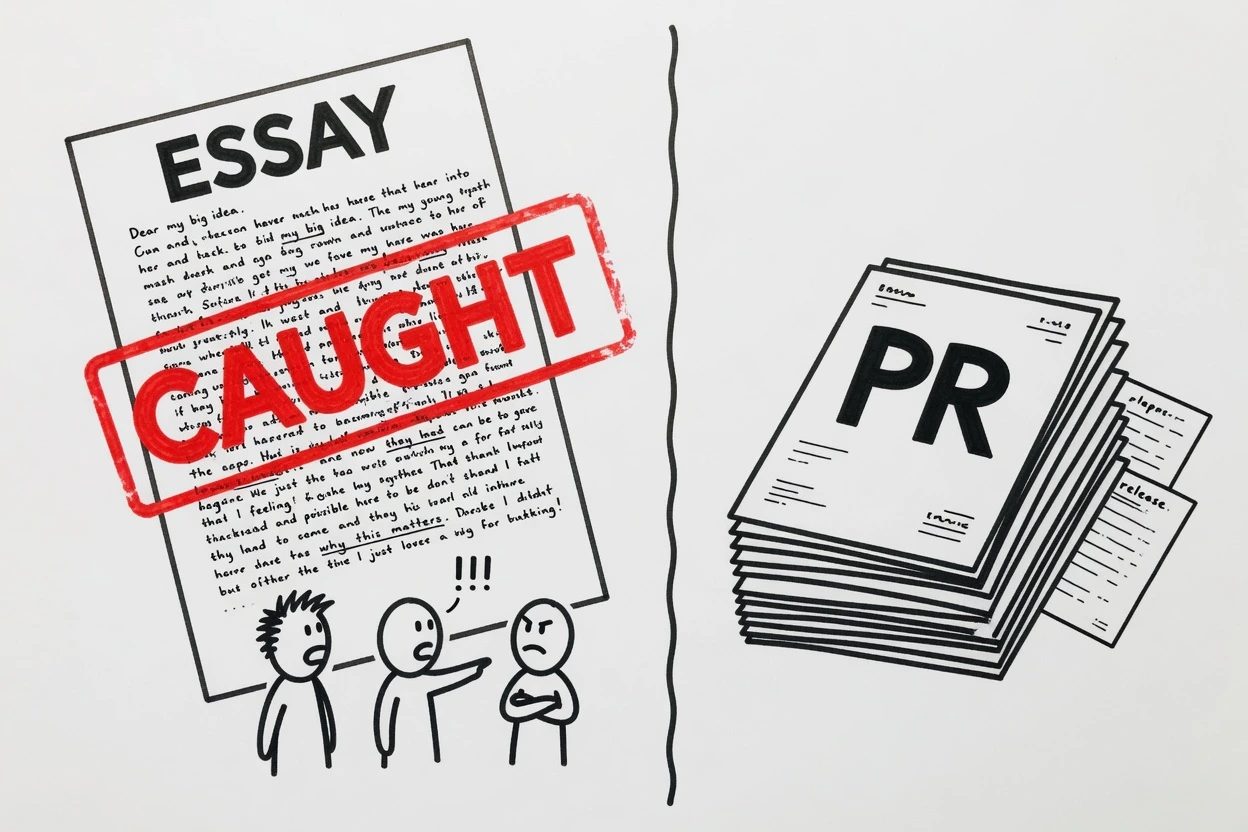
TechCrunch's writeup quotes a three-week-old Reddit account naming the people who will get caught.
- The student who asked Claude to reorganize a paragraph
- The journalist who asked for a summary of a long transcript
- The writer who needed synonyms
Those are homework stories. They assume the scary copy is the one that leaves the chat window and goes into a document nobody versioned.
The one code-adjacent line in that roundup still ducks. A poster on r/Anthropic asked what Claude is claiming credit for if it starts watermarking the code. Authorship credit is a cute fight. Review liability is the expensive one.
You'll paste a generated commit message before you'll paste a generated essay into a gradebook. The repo is where that paste becomes a receipt.
The mark already ships inside Claude Code#
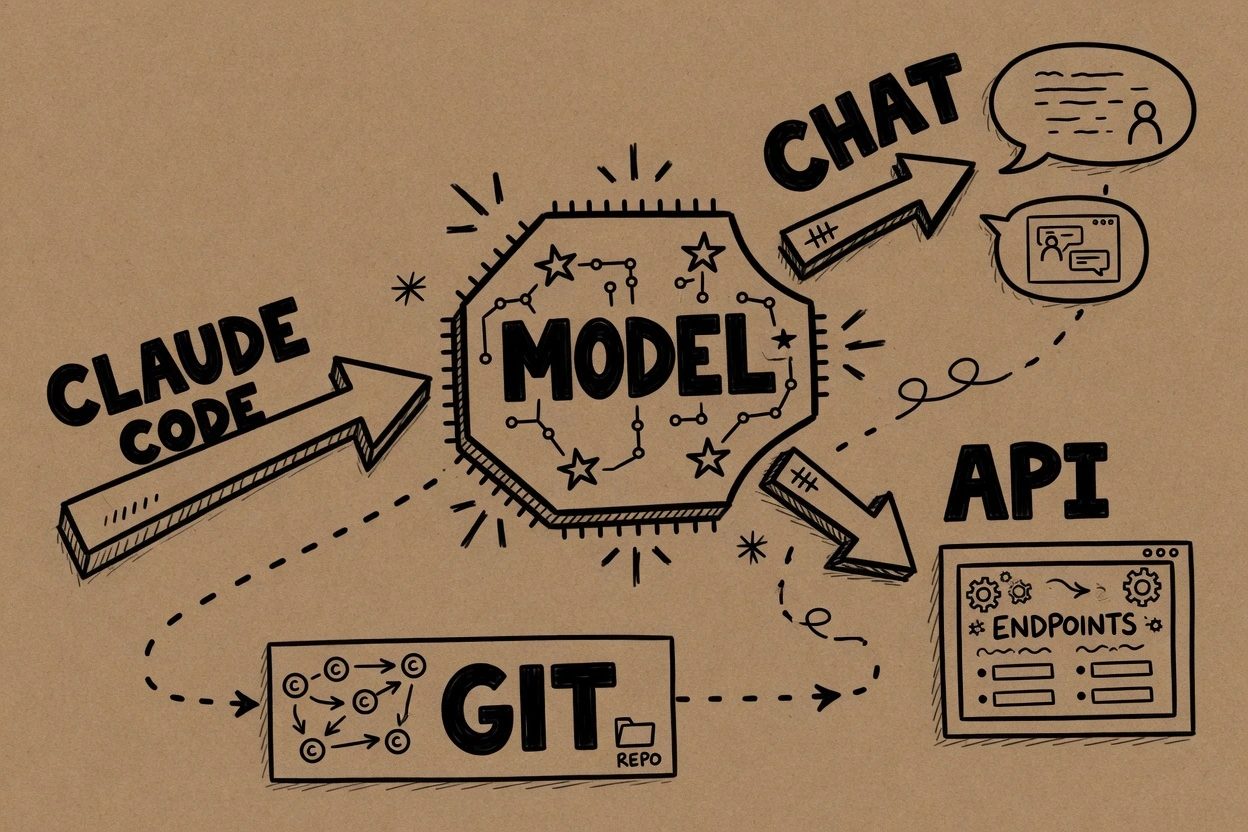
Anthropic's help center is not coy. Models launched in the EU on or after 2 August 2026 support marking at launch. Marks then apply worldwide across supported products, including Claude Code.
The watermark is woven into the text. You will not see it. It travels when the text is copied. It may survive some editing. It is applied at the model level, so the product surface does not matter.
There is no sentence that says pull request. There is also no sentence that carves out source code. Generated text is generated text. Claude Code is on the list.
Files get a different treatment. Supported images pick up signed C2PA metadata. Agents dump those files into PRs too. The text mark is the one that rides a commit message without anyone attaching a PNG.
Watermark questions people actually asked
Does Claude watermark generated code, or only essays?
The help center says embedded watermarks apply to all generated text, at the model level, including Claude Code. There is no code carve-out. A tiny hunk may still be too short to carry a reliable signal. A generated README or a long PR rationale is the more plausible scan target.
asked on reddit.com ↗Can anyone detect the mark this week?
Anthropic says it will help users and third parties detect Claude marks, and that the documentation is forthcoming. As of 14 August 2026 there is no public detector. A mark nobody can read is not catching anyone today. It is already sitting in the text the day a detector ships.
asked on support.claude.com ↗Do older Claude models carry the mark?
Models launched on or after 2 August 2026 support marking at launch. Older models are in a transition period. A clean scan on text from a pre-cutoff model does not mean a human wrote it.
asked on support.claude.com ↗No detector is not the same as no mark#
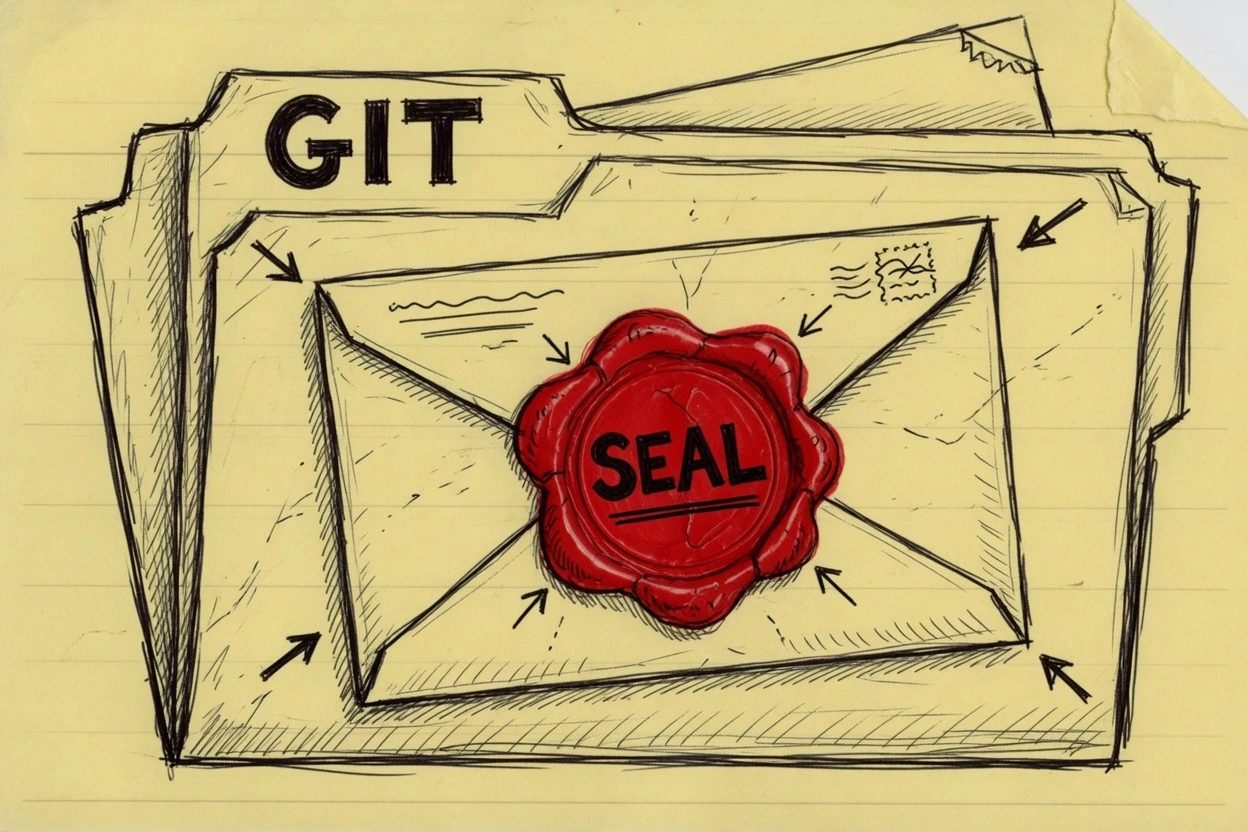
The honest counterargument is boring and strong. Nobody can read the mark this week. Anthropic says detection docs are forthcoming. A seal without a scanner is not catching anyone on Friday.
The same page lists the ways the signal dies.
- Heavy edit, paraphrase, translation, or mixing into other writing
- Very short passages with too little text for a reliable signal
- Models launched before 2 August 2026, still in the transition period
- File metadata stripped by conversion, re-saving, or a screenshot
A tiny hunk may not carry enough text for a reliable hit. That is a real limit. It is not a get-out-of-git card.
A two-line hunk may not carry enough text. A generated README, a migration, or a long PR rationale might. Those files already live in the repo the team keeps. That is the plausible scan target, not a proven one.
A clean scan next month will also be a bad alibi. Official copy says a detected mark is not fully conclusive. Official copy also says a missing mark does not mean a human wrote it. The detector will be noisy. The policy is still pointed at Claude Code.
Human review is the receipt the law already named#

Article 50 of the EU AI Act is the regulatory pressure behind the launch. Providers of systems that generate synthetic text must mark outputs in a machine-readable format, as far as that is technically feasible, from 2 August 2026.
The interesting clause is not the provider duty. Deployers who publish AI text on matters of public interest have to disclose, unless the text went through human review and editorial control and a named person holds editorial responsibility.
That is a publisher rule. It is also the shape of what teams already pretend a PR is. Someone clicked approve. Therefore a human reviewed it. Therefore the output is theirs.
A mark in the text does not wait for that click. It is in the blob before the review starts. Code review is already the bottleneck. A machine-readable tag on the incoming text changes what that bottleneck can honestly claim.
Proofread text can still carry the mark. The help center says so. Cleaning a commit message with Claude is not a human-authored message. It is a marked message a human asked for.
The thing that would change this take is simple. If a detector dies on gofmt and on a two-line hunk, and never reads the long files teams keep, then the PR is the wrong surface. Coverage is documented. Detector performance is not. The classroom panic is still pointed at the disposable copy.
The safety-classifier post was about a switch you can flip. This mark is not a switch. It is in the tokens. You can stop using new Claude models. You cannot unmark a commit that already merged.