
Claude Code sessions can now message each other
August 14, 2026

Claude Code sessions can now message each other. That Week 32 line is true, and it is also smaller than the job people wanted it to do.
v2.1.224 this week. ListAgents plus SendMessage. One session tells another that users.name is now users.display_name. Anthropic productized the missing bus. The take is whether a text ping is enough or it just creates a new race on shared files.
A walkie-talkie taped to a desk two people are already typing on. That is the feature. Useful. Not a lock.
The bus they shipped is a sentence#
Week 32 is blunt. Claude finds your other sessions with ListAgents and sends with SendMessage, when you ask or on its own, after a change in one session hits work in another.
That try-it prompt is the rename. Tell the payments session that users.name is now users.display_name. The other session shows a Message from row. Press Ctrl+O if you want the body.
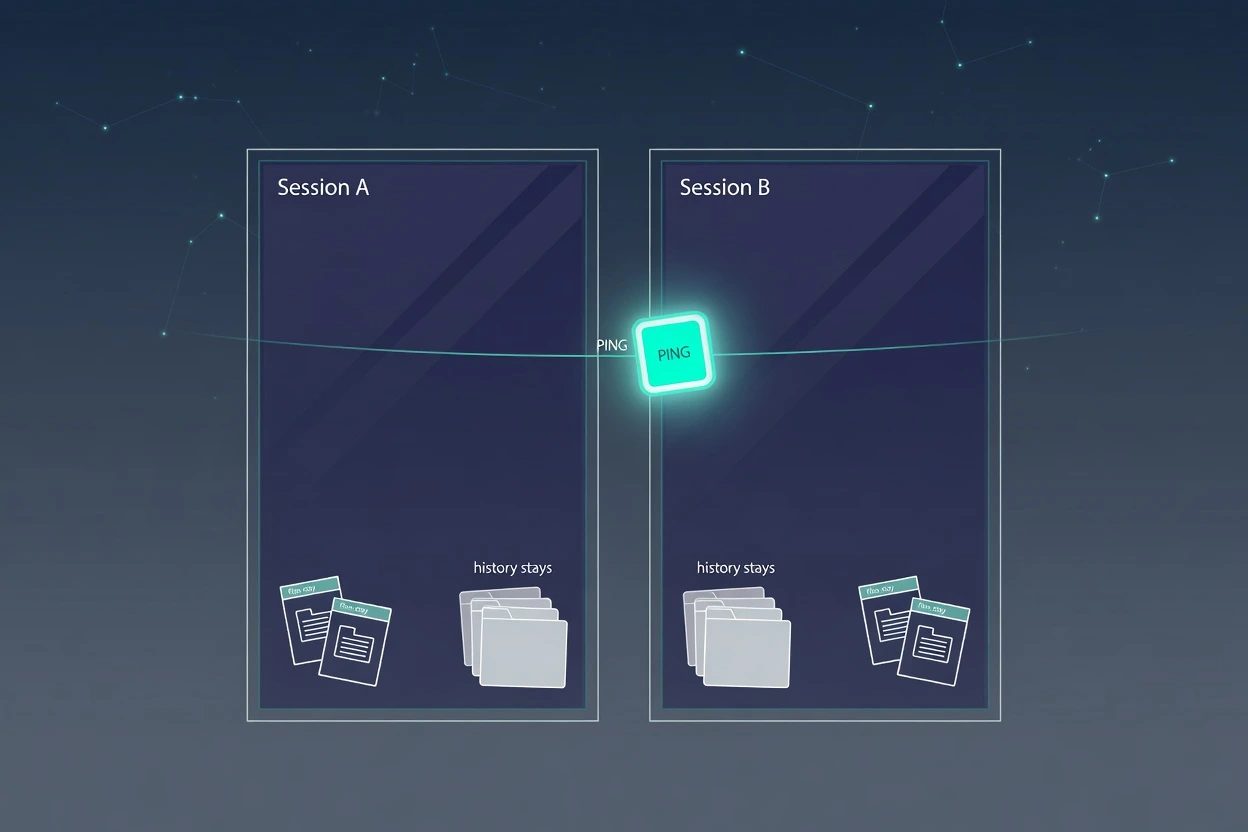
Cross-session messaging draws the bound in one sentence. A message is a piece of text one Claude writes to another, never conversation history or files.
Same machine, the ping rides a per-session Unix socket and never touches Anthropic servers. Another of your machines, or Claude Code on the web, goes through Anthropic over Remote Control. A host session and a container session cannot see each other. They do not share the files the inbox is registered in.
You never call the tools. Claude does. /list-agents is how you peek. As of 2.1.232 you can @ a session by name. This box is already on 2.1.232.
macOS and Linux, including WSL 2. Native Windows sits this one out. Bedrock and the other cloud platforms sit it out too. Four privacy env vars can switch the whole thing off without a visible flag, which is a nasty surprise if you think you turned telemetry down and lost the bus.
The ticket asked for a scratchpad#
Issue 24798 opened on 10 February 2026. Title, inter-session communication for multi-Claude workflows. It is still open.
The reporter was running five sessions. Migration, database, search, dashboards, a terminal monitor. The migration session was changing the server IP. Everyone else still had the old one in context. The only router was a person, copy-pasting.
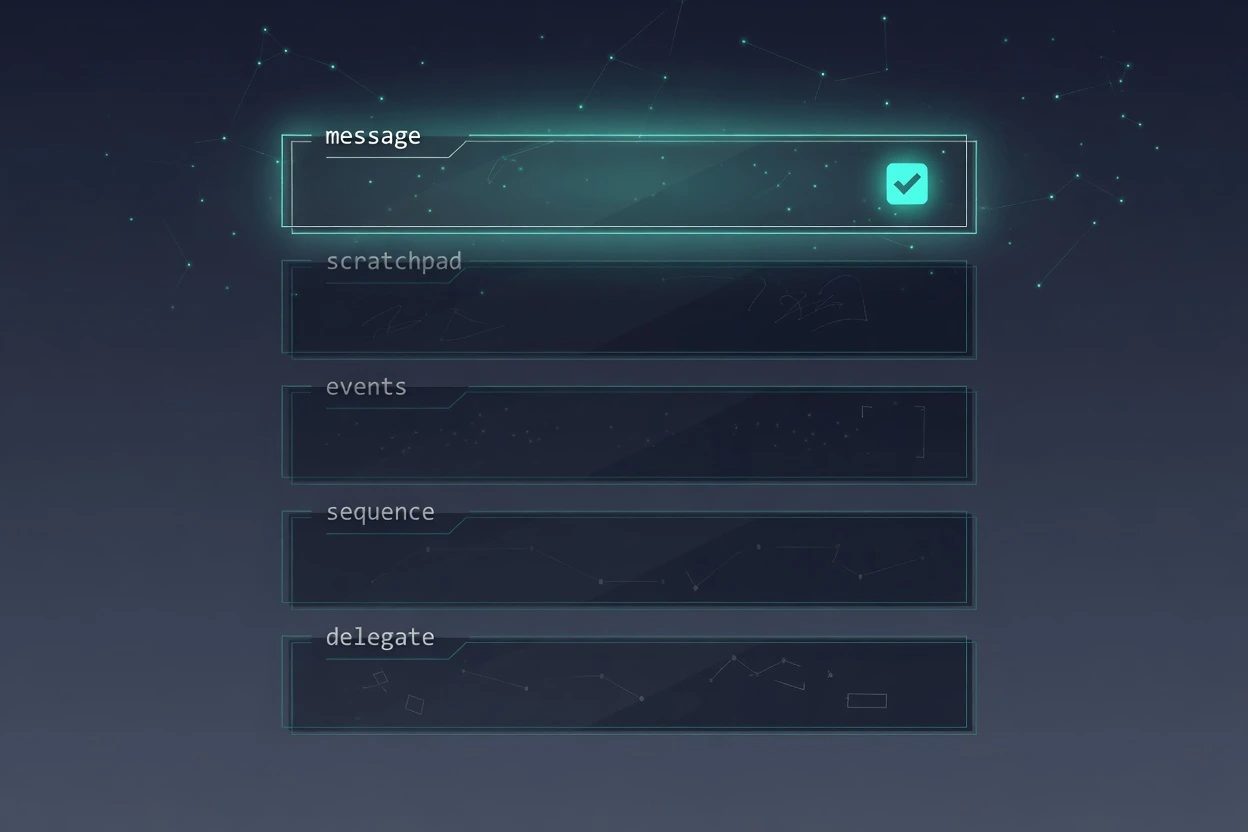
They asked for five things. What shipped is the first item.
- Messaging by name
- A shared project scratchpad
- An event bus
- Dependency sequencing
- Delegation
The ticket named the workaround that already failed. File-based handoffs, write a markdown doc and tell the other session to read it. Slow, manual, loses context. User as message bus. Defeats the point of parallel agents.
A week after v2.1.224, people are still writing on that thread. kcarriedo on 12 August is still calling the user-as-bus pattern the default for anyone running five-plus sessions. csitte on 14 August describes a shared folder of write-once files named with a UTC timestamp, so two writers can never collide.
That is not a victory lap. That is the missing lock, still being invented in comments, after the productized ping.
Text is the safe ceiling#
The steel-man is not dumb. A message that could approve a prompt, rewrite CLAUDE.md, or take a file lock would be a confused security model. Anthropic kept the ping at text on purpose.
The receiving Claude is told the message came from another session, not from you. It cannot answer a pending permission prompt. It cannot change configuration because a peer asked. A /compact in the body arrives as words.
Inbound defaults follow permission class. A session that bypasses prompts holds a message from a session that does not, and the other way around. Held messages get a dialog. dialogExpiry defaults to five minutes. Auto mode already ate the yes key. This inbound hold is the leftover adult in the room.
Same-machine delivery never leaves the box. isolatePeerMachines can force an approval before anything rides Remote Control. You can refuse inbound entirely, or deny SendMessage and ListAgents. That deny also kills teammate and subagent pings, because it is the same tool.
Loops get throttled. Identical repeats in a short window get dropped. Fifty messages can wait for Claude to read them. A hundred can sit held. This is a chat channel with brakes, not a work queue.
All of that is the right ceiling for consent. It is also why the ping cannot be the bus. A lock is authority. Text is gossip.
Two writers still share a checkout#
If you already do multi-session orchestration, none of this replaces the three verbs. The ping is a new way to pass the finding. It is not a fourth verb.
- Partition the work
- Isolate the writers
- Budget the review
Worktrees are still the isolation. Edits in one session never touch files in another when each session has its own checkout. The messaging page even says so. Use the ping to tell the other worktrees what landed.
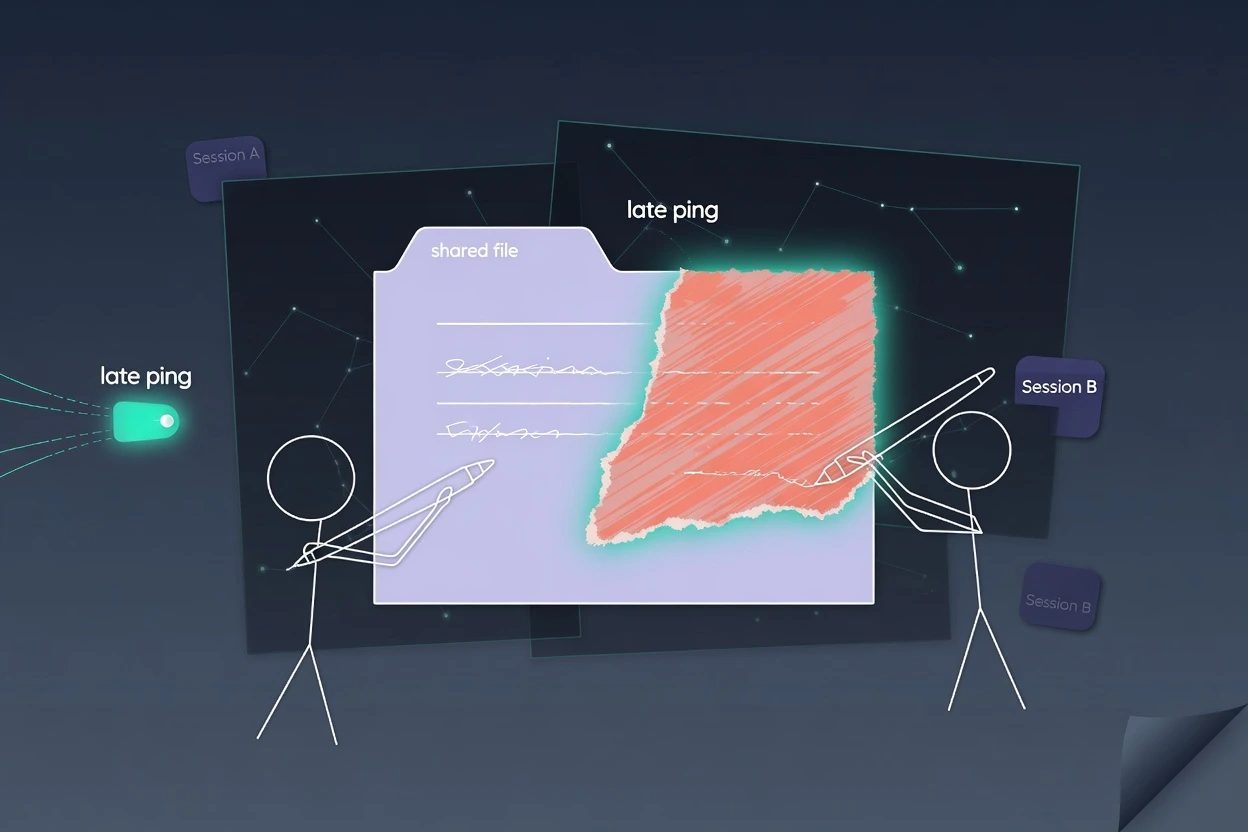
Agent teams, the experimental ones, still warn that two teammates on one file overwrite each other. Cross-session messaging did not repeal that sentence. Structured team protocol stays inside a team. Independent sessions get plain text.
Here is the race. Session A renames users.name and pings session B. Session B is mid-edit on a query that still selects users.name. The ping waits between tool calls so it will not interrupt a running tool. B writes the old column, then reads the card. You now have a file that disagrees with the sentence that was supposed to save it.
You'll send the rename and still collide. The ping arrived. The lock never existed.
Use the ping. Stop being the copy-paste router for status. Keep the worktree. If two sessions must share a checkout, they do not get to share a file. A write-once note on disk is still more honest than a sentence that cannot claim the file.
Change the mind when Anthropic ships the scratchpad, or a file claim, or closes 24798 as done. Until then the missing bus is still a folder, and the new thing is a very good walkie-talkie.
What the ping does and does not do
Does a message send files or conversation history?
No. Claude writes a piece of text for the other session. History and files stay put. If you want the whole conversation, resume that session instead of pinging it.
asked on code.claude.com ↗Is messaging on by default?
On macOS and Linux, once you are on v2.1.224 or later and feature flags still evaluate, it is on with nothing to flip. Native Windows does not get it. Four privacy env vars can silently switch it off.
asked on code.claude.com ↗Can another session approve a permission prompt for you?
No. The receiving Claude is told the message came from another session, not from you. It cannot approve, cannot change CLAUDE.md, and a slash command in the text stays text.
asked on code.claude.com ↗Why is issue 24798 still open if sessions can message each other?
The ticket asked for a scratchpad, an event bus, and sequenced handoffs. v2.1.224 shipped the ping. A week later people on that thread were still inventing write-once file buses so two writers cannot collide.
asked on github.com ↗